Case study · Hardware · Product
Recording hardware that works from Paris to Vanuatu
Defined how to choose and attach child-worn recorders safely across cultures, climates and budgets. Piloted on four continents.
- My role
- Led an international product-development initiative
- When
- 2017–2024
- Read
- 2 min read
The problem
Studying children's language environments at scale requires safe, reliable and comparable audio from infants and toddlers, in places as different as a Paris apartment, a village in Vanuatu and a household in rural Namibia. Commercial recorders go out of production every few years, custom devices are very expensive, and an attachment that works for a baby in a stroller does not work for a baby carried on its mother's back.
Constraints
- Child safety and family acceptability are non-negotiable
- Heat, humidity and dust in the field
- Tight budgets, especially for teams in low- and middle-income countries and those working at large scale
- Data must still be comparable across sites
My approach
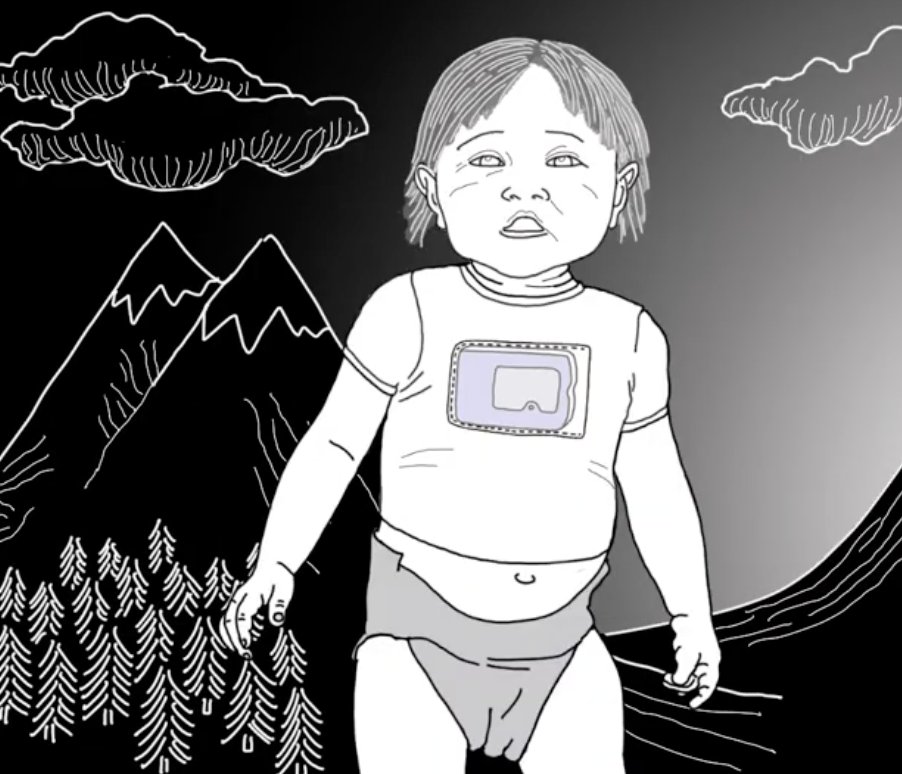
I evaluated commercial and custom-built recorders, and the ways of attaching them, against technical performance, usability, child safety, family acceptability, environmental suitability and cost. I designed and coordinated iterative field pilots with partner teams in Argentina, Namibia, Bolivia and Vanuatu, after initial testing in Paris. The key insight was that no single product would work everywhere, so I defined a set of standard selection principles that local teams have applied to their own context ever since. I then scripted and narrated a training video, and commissioned its visuals, to teach those principles as practical guidance.
Results
- Argentina, Namibia, Bolivia, Vanuatu (+ Paris)Field pilots
- 1,000-participant randomised controlled trial (Philippines)Largest deployment
Local teams can now balance recording quality, safety, usability, cultural fit and cost themselves. The principles produced context-specific solutions: one researcher used hat-mounted recorders in Namibia to fit infant-carrying practices; another favoured low-cost adapted clips for a 1,000-family randomised trial in the Philippines.
Trade-offs
Standardise selection principles, not one product
Hardware lifecycles are short and contexts differ. A fixed device would be obsolete or wrong for some sites within a few years, while principles survive product changes and let local teams adapt.
- Mandate one commercial device everywhere
- Commission a custom device
Iterate in the field with local teams instead of specifying solutions from the lab
Problems like carrying practices, heat and what families find acceptable only show up on site, and local teams know them best.
Teach through a short video as well as a written manual with pictures
Both formats are needed so that multilingual field staff and families with different levels of literacy can understand the guidance.
What I learned
- The right product decision was to stop looking for one product.
- Videos and written instructions help, but nothing compares to a live consultation.
Skills used
- Hardware evaluation
- Field pilots
- User research
- Cross-cultural implementation
- Training design
- Vendor assessment